How Driving Licence Has Changed The History Of Driving Licence


Understanding the UK Driving Licence: A Comprehensive Guide
Acquiring a driving licence is a considerable milestone in many people's lives, especially in the United Kingdom, where driving can be essential for both individual and professional factors. This guide offers a thorough take a look at the UK driving licence, detailing its types, requirements, application procedures, and the guidelines associated with it.
Types of UK Driving Licences
In the UK, there are numerous kinds of driving licences catering to different automobiles. Comprehending these classifications is important for potential drivers. Below is a table summarizing the main types of UK driving licences and the vehicles they permit.
| Licence Type | Car Type | Age Requirement | Notes |
|---|---|---|---|
| Provisional | Learner drivers, automobiles (approximately 3.5 tonnes) | 17 | Need to show 'L' plates; monitored driving required. |
| Full Car | Cars and trucks (up to 3.5 tonnes) | 17 | No more 'L' plates required; full driving opportunities. |
| Motorbike | Motorbikes (various categories) | 16/17/21 | Depending upon motorcycle size (A1, A2, A). |
| Bus | Buses (over 8 passenger seats) | 24 | Needs a special test. |
| Truck | Trucks (over 3.5 tonnes) | 18 | Requires an unique test. |
| Minibus | Minibuses (in between 9 and 16 guest seats) | 21 | Need to have a legitimate vehicle licence. |
| Trailer | Towing trailers over 750 kg | Varies by licence type | Some categories require unique tests. |
The Importance of Having a Driving Licence
A driving licence is not simply a legal requirement for running an automobile; it is also a crucial kind of identification in the UK. Here are some reasons having a driving licence is crucial:
- Legal Requirement: Operating a car without a valid licence is prohibited, leading to fines and charge points.
- Security: A licence makes sure the driver has gone through essential training in roadway security and vehicle operation.
- Recognition: A driving licence functions as an official ID for various functions, including age verification.
- Insurance: Having a valid driving licence is frequently a requirement for getting vehicle insurance coverage.
Making an application for a UK Driving Licence
Step-by-Step Process
The procedure of obtaining a driving licence can be divided into several steps. Below is a comprehensive outline of these actions:
- Eligibility Check: Confirm eligibility based on age and residency status in the UK.
- Provisional Licence Application:
- How to apply: You can apply online at the UK government's site or through post.
- Documents needed: You will require proof of identity, such as a passport or nationwide insurance number, and a address proof.
- Finding out to Drive:
- Book lessons with a licensed instructor.
- Gain practical driving experience.
- Theory Test:
- Book and take the theory test, that includes multiple-choice questions and threat understanding tests.
- Practical Driving Test:
- After passing the theory test, book the useful driving test.
- The test covers numerous elements of driving and follows a structured evaluation.
- Complete Licence Application:
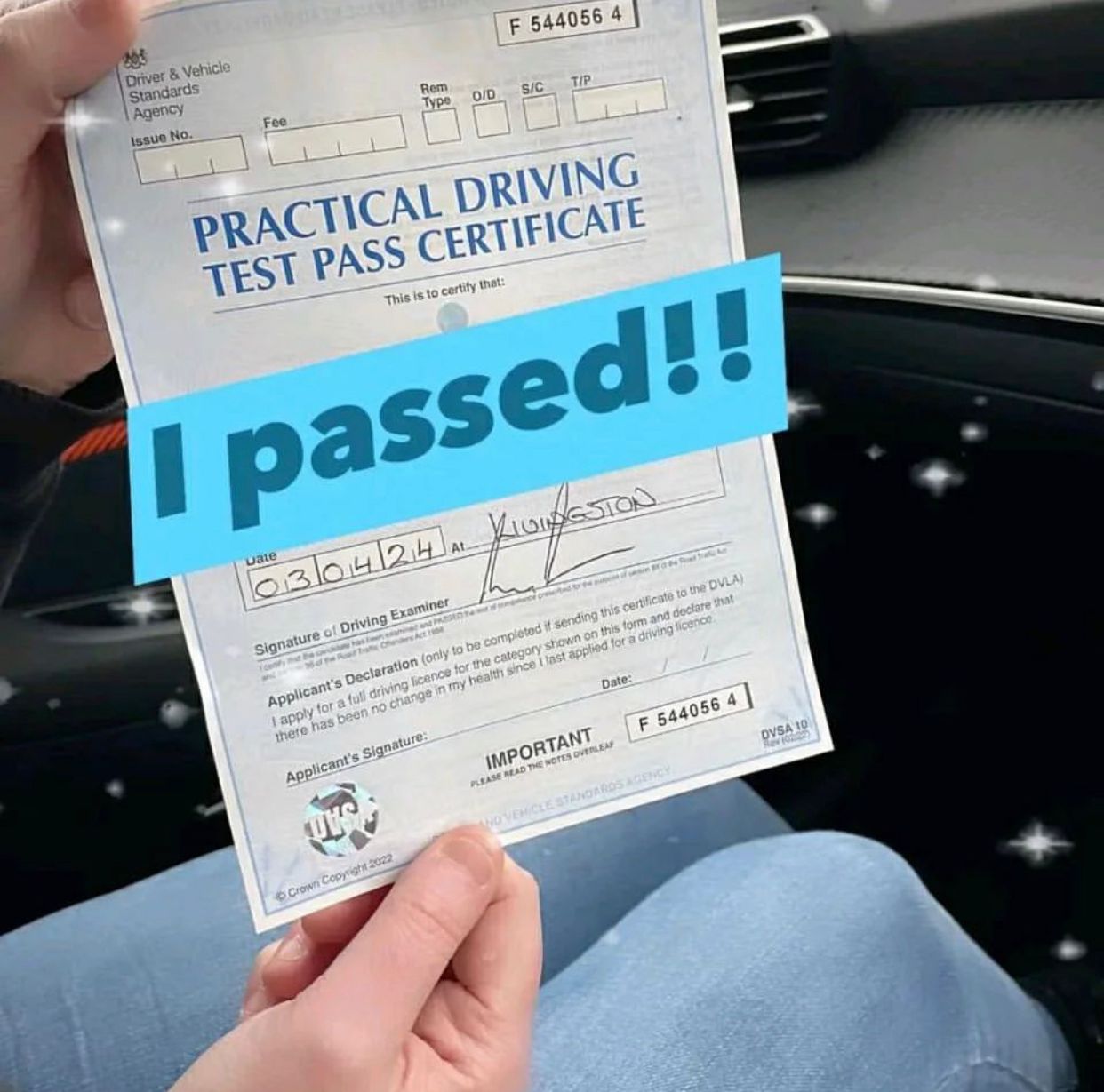
- Upon passing the useful test, you can request your complete driving licence, which need to get here in the mail.
Application Fees
The following table sums up the different charges related to looking for a driving licence in the UK:
| Application Type | Fee |
|---|---|
| Provisional Licence | ₤ 34 (online)/ ₤ 43 (by post) |
| Theory Test | ₤ 23 |
| Dry run | ₤ 62 (weekdays)/ ₤ 75 (weekends) |
| Full Licence Application | No extra cost (included upon passing practical) |
Frequently Asked Questions (FAQ)
1. The length of time does it require to receive my provisional licence?
After your application is processed, it generally takes about 3 weeks to get your provisional licence. Nevertheless, it may take longer throughout peak durations.
2. Can I drive with a provisionary licence?
You can drive with a provisionary licence however only if you are accompanied by a certified driver (a minimum of 21 years of ages with a complete licence for the kind of lorry you're driving).
3. What happens if I fail my driving test?
If you fail your driving test, you can reapply to take it once again after a minimum waiting period of 10 working days.
4. Can I drive in other nations with my UK driving licence?
A UK driving licence is typically accepted in many nations. Nevertheless, some nations and car rental business might require an International Driving Permit (IDP) in addition to your UK licence.
5. What should Drivers License do if I lose my driving licence?
If you lose your driving licence, you need to report it to the DVLA and look for a replacement, which you can do online.
Maintaining Your Driving Licence
When you've gotten your driving licence, preserving it is essential for continued driving legality. Here are some essential elements to think about:
- Renewal: Driving licences in the UK must be renewed regularly, normally every 10 years, or when you reach the age of 70.
- Reporting Changes: You need to report any change of address, name, or health condition that might affect your driving.
- Remaining Informed: It's essential to remain upgraded on roadway traffic laws and modifications in driving guidelines.
Holding a UK driving licence opens a world of self-reliance and movement, essential for everyday life in the UK. Understanding the various types of licences, how to obtain one, and the importance of maintaining it can ensure that drivers remain compliant with the law while delighting in the liberty of the roadway. Whether you are a learner just beginning on this journey or somebody aiming to brush up on their driving understanding, this extensive guide serves as a vital resource.